
Description
Cabinet Cooling Fan – Efficient Thermal Management for Electronics and Network Cabinets
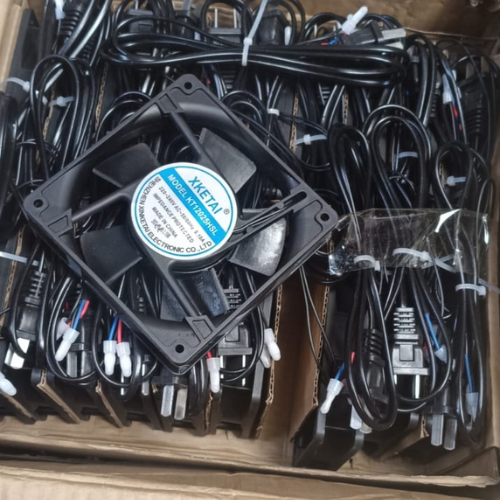
A Cabinet Cooling Fan is an essential component for maintaining optimal temperatures inside electrical, server, and network cabinets. As modern electronic equipment becomes more powerful and compact, heat buildup inside cabinets has become a major concern. Excess heat can reduce performance, shorten equipment lifespan, and cause unexpected system failures. Installing a reliable cabinet cooling fan ensures continuous airflow, effective heat dissipation, and stable operation of sensitive devices.
Designed for use in control panels, server racks, data cabinets, CCTV enclosures, and industrial electrical cabinets, cabinet cooling fans help regulate internal temperature by expelling hot air and drawing in cool air. This controlled airflow prevents overheating and protects valuable equipment such as switches, routers, DVRs, NVRs, power supplies, PLCs, and inverters. Whether used in commercial, industrial, or home setups, a cabinet cooling fan plays a critical role in system reliability.
Why a Cabinet Cooling Fan Is Essential for Equipment Protection
Electronic components generate heat during operation, and when confined inside enclosed cabinets, this heat can quickly accumulate. A cabinet cooling fan helps maintain a balanced internal environment by continuously circulating air. This reduces thermal stress on components, minimizes the risk of malfunction, and ensures consistent performance even during extended operation.
Cabinet cooling fans are available in various sizes, voltages, and airflow capacities to suit different cabinet designs and cooling requirements. Many models are engineered for low noise operation, making them suitable for offices, server rooms, and control centers where quiet performance is important. Durable construction and high-quality bearings ensure long service life, even in demanding industrial environments.
Another key advantage of using a cabinet cooling fan is improved energy efficiency. By maintaining optimal operating temperatures, equipment runs more efficiently and consumes less power. This also reduces the need for costly repairs or replacements caused by heat-related damage. In mission-critical environments such as data centers and security systems, reliable cooling is not optional—it is a necessity.
Installation of cabinet cooling fans is typically simple and flexible. They can be mounted on cabinet doors, side panels, roofs, or rear panels depending on airflow design. Many fans support both intake and exhaust configurations, allowing users to customize airflow direction based on cabinet layout. Some advanced models can also be paired with thermostats or temperature controllers to automatically adjust fan operation based on internal heat levels.
Cabinet cooling fans are widely used across industries including IT networking, telecommunications, manufacturing, automation, security surveillance, and power distribution. In networking cabinets, they help prevent routers and switches from overheating, ensuring stable connectivity. In CCTV cabinets, they protect DVRs and NVRs from heat damage, reducing downtime and data loss. In industrial control panels, they safeguard PLCs and electrical components, enhancing system safety and reliability.
When selecting a cabinet cooling fan, important factors to consider include airflow rating (CFM), noise level, power consumption, voltage compatibility, and build quality. Choosing the right fan ensures effective cooling without unnecessary noise or energy waste. High-quality cabinet cooling fans are designed to operate continuously with minimal maintenance, making them a cost-effective solution for long-term thermal management.
In environments with high ambient temperatures or dust, cabinet cooling fans can be combined with filters to prevent dust buildup while maintaining airflow. This further extends equipment lifespan and reduces cleaning and maintenance requirements. Proper cooling not only protects hardware but also provides peace of mind, knowing your systems are operating within safe temperature limits.
Overall, a cabinet cooling fan is a small but vital investment for anyone using enclosed electronic cabinets. It enhances performance, improves reliability, extends equipment life, and helps prevent costly failures. Whether for a small network cabinet or a large industrial control panel, a cabinet cooling fan delivers dependable cooling where it matters most.
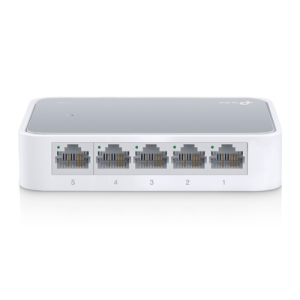


 TP-Link 8-Port Ethernet Switch